Inked Glam Vintage Vol. 17: A Deep Dive into Moody, Layered Textures
Finding the right digital assets for a project is often about capturing a specific mood. We're not just looking for a background; we're looking for an atmosphere. The Inked Glam Vintage Vol. 17 | Collection is a prime example of an asset that does more than just fill space. It provides a rich, tactile foundation for creative work, especially when your project calls for a touch of history, mystery, or dramatic flair. At its core, this collection is a set of 12x12 digital papers, but that simple description hardly does justice to the intricate, layered experience they offer.
The Anatomy of a Mood: Deconstructing the Inked Glam Aesthetic
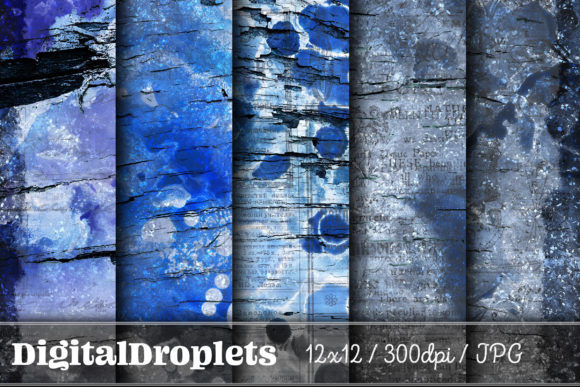
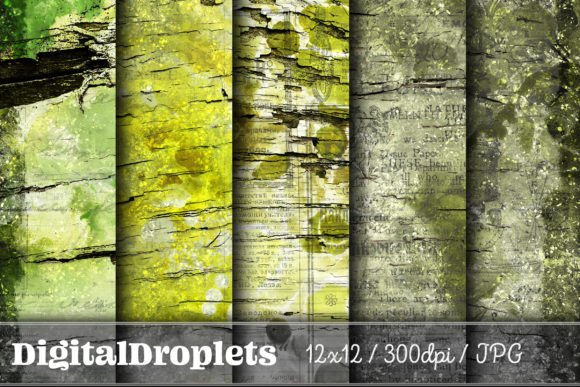
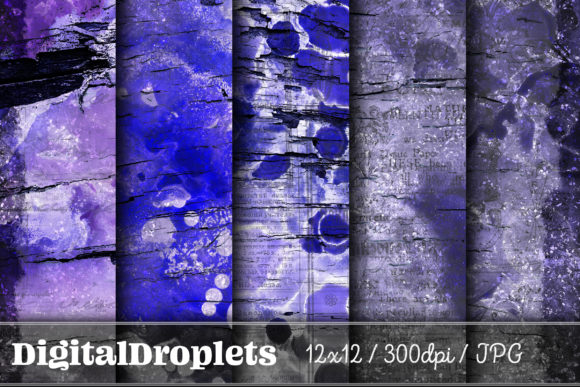
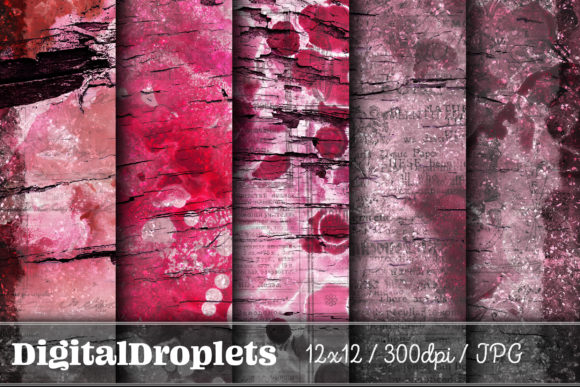
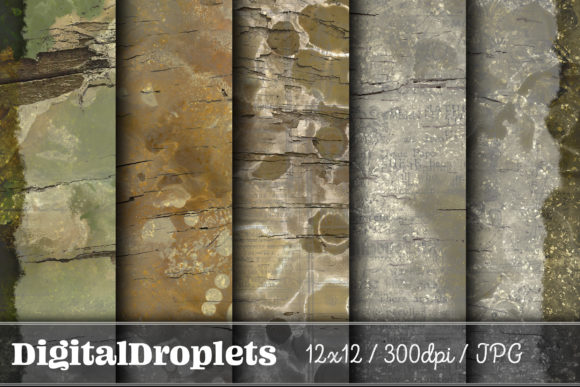
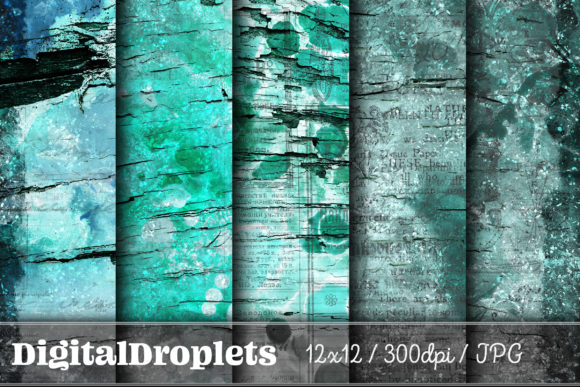
What makes these papers feel so distinct? It’s the intentional layering of textures that creates a compelling visual narrative. Imagine starting with the solid, structured feel of weatherboard. It’s a familiar, almost nostalgic texture that grounds the design. Then, the collection introduces a layer of ink and watercolor washes. Each of the ten papers features a unique application, from subtle, aged stains to more pronounced, artistic splatters. This ink layer is what gives the collection its name and its primary character.
But the depth doesn't stop there. To elevate the design, the creators have overlaid two more elements: newspaper textures and subtle glitter patterns. The newspaper adds a layer of intellectual, vintage complexity—a hint of stories untold. The glitter, used with restraint, introduces a touch of "glam" that catches the light and keeps the grunge aesthetic from feeling too dark or heavy. This careful balance of the gritty and the glamorous is what defines the Inked Glam Vintage Vol. 17 | Collection. The result is a set of backgrounds that feel both weathered and precious, making them a versatile tool for any designer's toolkit.
Where This Collection Truly Shines: Practical Applications
The true value of a design asset is measured by its utility. The Inked Glam Vintage papers are not a one-trick pony; their complex texture makes them suitable for a surprisingly wide range of projects. For junk journalers and scrapbookers, these papers are a dream. They provide an instant, authentic-looking aged background that would take hours to create from scratch. Imagine a vintage family photo mounted on one of these ink-stained boards, or a junk journal spread where the paper itself tells part of the story.
For graphic designers and brand strategists, the applications are just as powerful. Consider a craft brewery or a distillery looking for a brand identity that feels established and artisanal. Using one of these papers as a background for a menu, a website hero image, or social media graphics can instantly communicate a sense of heritage and craftsmanship. The texture adds a layer of visual interest that a flat color cannot, helping to build a more memorable and engaging brand perception.
Here are a few more ways to put this collection to work:
- Editorial and Packaging Design: Use the papers as backgrounds for magazine layouts, book covers, or product packaging for artisanal goods. The texture adds a premium feel that elevates the entire product.
- Digital and Print Collateral: Create unique invitations for themed events, distinctive business cards that stand out, or blog backgrounds that give a site a strong, cohesive personality.
- Small-Scale Crafts: The papers are perfectly scaled for creating custom washi tape strips, gift tags, envelopes, and planner stickers, allowing for a consistent aesthetic across all your personal or commercial projects.
- Social Media Content: In a feed of clean, minimalist graphics, a textured background can stop the scroll. Use them for quote graphics, announcements, or behind-the-scenes content to add depth and character.
Working with Texture: A Designer's Perspective
Introducing a heavily textured background like those in the Inked Glam Vintage Vol. 17 | Collection requires a thoughtful approach to the rest of your design. The key is to create a strong visual hierarchy. Because the background is rich in detail, your foreground elements need to be clear and legible. This is where the principles of modern typography come into play.
A common and effective strategy is to pair the textured, "grunge" background with a clean, strong typeface. A bold sans serif font for headlines can cut through the visual noise, providing a clear focal point. For body text, a highly readable serif or sans serif with good spacing is essential. Avoid overly ornate or script fonts for large blocks of text, as they can become lost in the texture. However, a well-chosen handwritten font or a stylized script can work beautifully for small accents, like a signature or a short, impactful phrase.
Think of it as a conversation between elements. The background is telling a story of age and texture, and your typography and other design assets need to respond with clarity and purpose. For example, if you're designing a logo, you might place a clean, vector-based logomark on top of a textured paper background for a presentation slide. This contrast makes the logo pop while still conveying the brand's vintage or artisanal character. The goal is to use the texture to enhance your message, not to overwhelm it. By carefully selecting complementary design assets