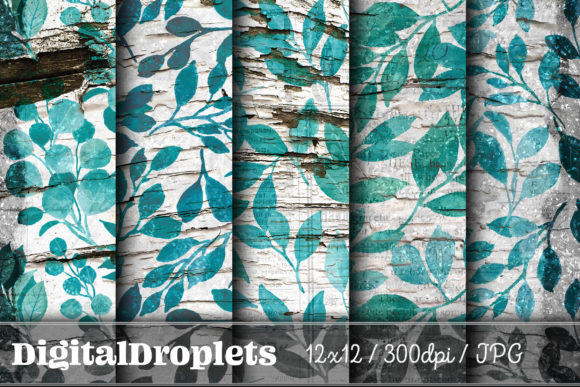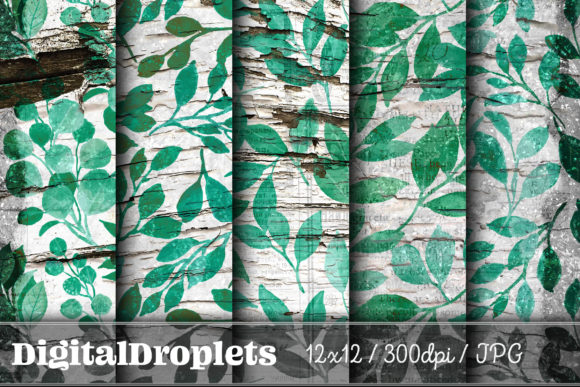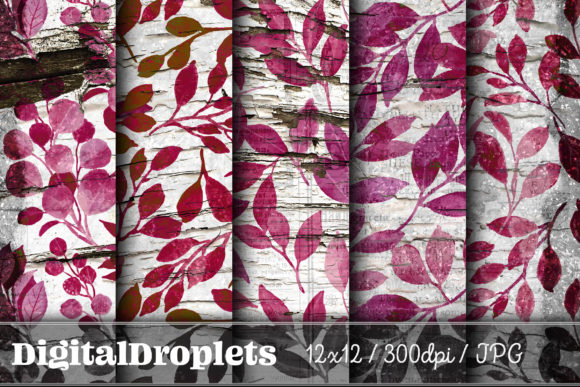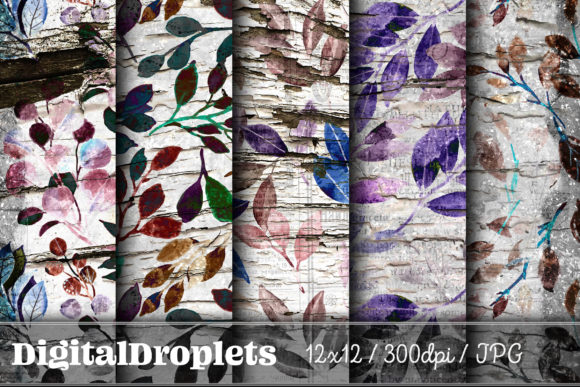
Leaves in the Wind Vol. 28: A Vintage Designer's Toolkit
When you're building a cohesive brand or a personal project, the background texture does more than fill space—it sets the entire mood. If you are aiming for a nostalgic, tactile aesthetic, the Leaves in the Wind Vol. 28 | Collection offers a specific solution that balances organic patterns with industrial textures. This isn't just a set of digital paper; it is a curated combination of nature and history. The collection features 20 distinct 12x12 papers, each at 300dpi high resolution, designed to bridge the gap between organic decay and vintage print media.
The Visual DNA: Newspaper Textures and Botanical Overlays
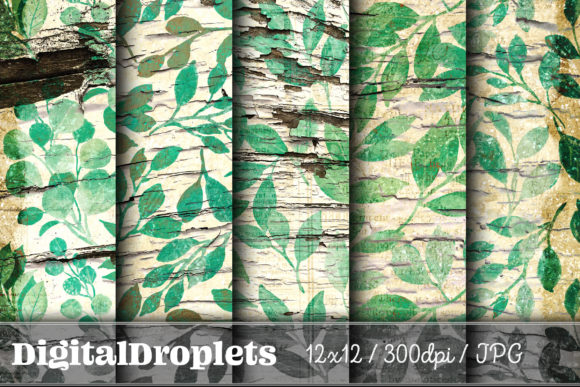
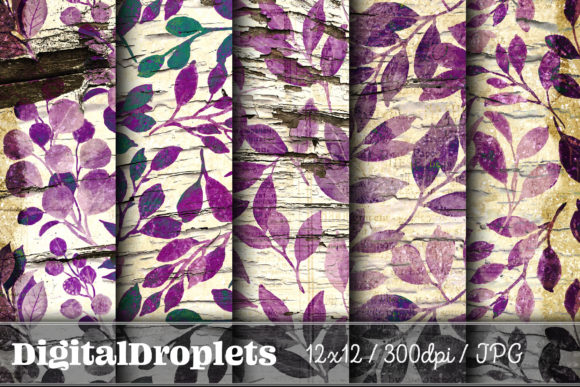
The core appeal of this collection lies in its layering technique. At the base level, you have vintage newspaper textures. This provides an immediate sense of age and history. Newspaper print is a staple in graphic design because it introduces a monochromatic, typographic element without the clutter of legible text. It reads as "noise" that adds depth, making it an excellent background texture for digital and print work alike.
Overlaid on this foundation are leaf patterns. However, unlike standard botanical prints, these are blended with a subtle sparkly damask texture. This third layer adds a touch of elegance and prevents the design from looking too gritty or dirty. The result is a vintage aesthetic that feels polished. The unique borders on each paper in the Leaves in the Wind Vol. 28 set give you built-in framing options, which is particularly useful when you don't want to create a full bleed design.
Practical Applications for Designers and Crafters
Understanding where to deploy these assets is key to maximizing their value. Because the files are 12x12 inches at 300dpi, they are optimized for both large format printing and high-quality digital displays.
- Junk Journals and Scrapbooking: This is the most direct application. The Leaves in the Wind aesthetic mimics the look of a real, hand-made collage. The newspaper texture provides a perfect grounding element for sepia or black-and-white photos, while the leaf overlays add color and life.
- Packaging Design and Marketing: For small businesses in the artisan, apothecary, or eco-friendly sectors, these textures work wonders on packaging design. Imagine using these as the background for a soap box label or a candle wrapper. The "sparkly damask" element adds a premium feel that elevates the product.
- Digital Assets and Social Media: In the realm of social media graphics, visual noise helps stop the scroll. These papers function effectively as backgrounds for quotes, promotional announcements, or carousel posts. They provide enough texture to look professional but remain subtle enough that legible text can be placed on top.
- Physical Goods: Don't overlook the utility for physical items. These files are high-resolution enough to serve as gift wrap for small presents, washi tape designs, or custom envelopes. The seamless integration of the leaf and newspaper themes makes for a sophisticated unboxing experience.
Integrating Texture into Brand Identity
For brand identity, consistency is everything. Using a collection like Leaves in the Wind Vol. 28 allows you to establish a specific "voice" for your brand. A brand that utilizes vintage textures communicates reliability, timelessness, and a connection to the past. It suggests that the product or service has depth and history.
When using these papers in web design or editorial design, consider how they interact with your typography. A busy background like vintage newspaper requires a clean foreground. Pairing these textured backgrounds with a clean sans-serif font for body copy ensures readability. For headlines, a bold serif font or a tasteful script font can complement the vintage vibe without creating visual chaos. The goal is visual hierarchy; the background should support the message, not compete with it.
Tips for Customization and Testing
While the collection provides 20 unique variations, you will likely need to tweak them to fit specific project needs. Here is how to get the most out of the Leaves in the Wind Vol. 28 assets:
- Color Grading: The files come with a preset vintage color palette. However, using a "Hue/Saturation" adjustment layer in Photoshop or Procreate allows you to shift the color of the leaves or the newspaper tint to match a specific client's brand colors.
- Opacity Adjustments: If the texture is too strong for a blog design or planner stickers, lower the opacity of the paper layer to 50-70%. This retains the tactile feel while making the background less visually dominant.
- Cropping for Focus: Because each paper features a unique border, you have built-in framing. However, don't be afraid to crop in tight. Zooming in on a specific section of the damask texture or a cluster of leaves can create a completely different look, giving you more mileage out of the 20 included files.
Commercial Licensing and Versatility
For entrepreneurs and content creators, the ability to use assets commercially is a primary concern. These papers are designed for both personal and commercial use. This means you can use them for client work, invitations, wall art, or products for sale on platforms like Etsy or Shopify. The versatility of the Leaves in the Wind collection makes it a solid investment for a digital library. It serves as a design asset that can be reused across seasons, particularly in autumnal or nature-themed campaigns, but thanks to the neutral newspaper base, it works year-round.
Ultimately, the Leaves in the Wind Vol. 28 | Collection is about adding narrative to your design. It moves a flat digital canvas into a tactile, storied space. Whether you are designing a wedding invitation, a social media campaign, or a scrapbook page, these textures provide the atmosphere needed to tell a deeper story.